Bloods normal but you feel terrible

Bloods normal but I feel terrible. What to test next
Standard labs come back 'in range' but you still feel wrong. The functional patterns conventional bloods routinely miss. Brisbane + telehealth Australia-wide.
Read →
Doing everything right and still tired. Why nothing's working
Clean diet, sleep hygiene, movement, and still wrecked. When the system is overloaded, willpower stops working. What we look at instead.
Read →
Standard bloods vs functional testing, where the truth hides
Standard reference ranges exist to exclude disease, not restore wellness. Where functional testing picks up the patterns standard panels miss.
Read →
What is wrong with me, when your body is overreacting to everything
When every input becomes a trigger (foods, stress, smells, scrolling) the system is overloaded, not broken. What to do first.
Read →
Why your hormones feel off but your blood tests are 'normal'
Bloods normal but you feel terrible? Hormones rarely act alone. What conventional panels miss and what to test next. Brisbane + telehealth Australia-wide.
Read →Cycle & period

Does progesterone make you fat? Debunking the myths
Progesterone is blamed for weight gain when oestrogen dominance is usually the real story. What the research actually shows.
Read →
Is it PMS or am I depressed. How stress flips your hormones
Chronic stress reroutes hormone production away from sex hormones. Why the line between PMDD and 'just stressed' is biochemical, not characterological.
Read →
Why do I cry for no reason before my period. Oestrogen dominance explained
Oestrogen dominance is one of the most common drivers of PMS rage, tender breasts, heavy bleeds and pre-period tears. What we look for.
Read →
Why is my PMS so much worse now (it isn't just hormones)
PMS that arrives like a storm and rearranges your week. Why PMS gets worse in your 30s and 40s, and what's actually driving it.
Read →Fatigue & energy
Ferritin under 70 to 5 weird signs of iron deficiency
Restless legs, ice cravings, hair shedding, brain fog, breathlessness. The signs of low iron most GPs miss because the ferritin is technically 'in range'.
Read →Healing fatigue. Why pushing through makes it worse
Capacity gets rebuilt slowly. Why most fatigue programs fail in the first six weeks, and what 'pacing' actually means in practice.
Read →I'm tired of being tired. What we test for chronic fatigue
Sleeping eight hours and waking flat. Most chronic fatigue has at least three drivers, and they're testable. What we run first.
Read →Iron deficiency in pregnancy. Why 'normal' bloods still leave you exhausted
The reference range obstetricians use was set decades ago for disease prevention, not optimal function. Where pregnancy iron usually really sits.
Read →ME/CFS or adrenal fatigue. Real or fake?
ME/CFS is real and diagnosable. Adrenal fatigue is a useful clinical label, not a recognised disease. Where the two overlap and where they don't.
Read →OAT testing for chronic fatigue. Finding hidden energy blockages
The Organic Acids Test maps mitochondrial energy production, neurotransmitter status, gut dysbiosis and detox capacity in a single sample.
Read →TSH normal but still exhausted. Vitamins, minerals and low energy
When thyroid panels and bloods are 'fine' but you're still flat, the answer is usually upstream. B vitamins, iron, magnesium, mitochondria.
Read →Why am I always tired no matter how much I sleep
Fatigue at work isn't a willpower problem. The most common biochemistry behind 3pm collapse, and what to test before you change your job.
Read →Why am I so exhausted when I wake up after 8 hours of sleep
Eight hours and still wrecked. Sleep quality, cortisol curve, blood sugar, and the iron + thyroid combinations that flatten morning energy.
Read →Why your body won't hold iron. Hepcidin, inflammation and chronic iron deficiency
If you supplement iron and the ferritin still won't move, it's almost always hepcidin and inflammation locking iron away. The underlying driver to fix first.
Read →Gut & bloating
Birth control, thrush and gut microbiome. Why food intolerances are getting worse
The pill changes the microbiome, immune function and yeast balance. Why post-pill gut symptoms are so common, and what we run.
Read →Bloated all the time for no reason. What happens when you don't poo every day
Daily, complete bowel movements are non-negotiable for hormone clearance. What happens when transit slows, and why bloating is the symptom downstream.
Read →Weight & metabolism
Gave up dieting? How long-term calorie restriction wrecks metabolism and thyroid
A decade of under-eating shrinks organs, drops T3, raises reverse T3 and locks weight loss. The Minnesota Starvation Study, updated for women in their 40s.
Read →Same diet stopped working at 35. Leptin resistance and weight gain
If you're hungry an hour after eating and stubborn weight won't move, leptin resistance is usually the missing piece. How it forms and how it lifts.
Read →Statins, calcium scores and metabolic health. The trade-off
Cholesterol is downstream of metabolic health, not the upstream cause. Why a coronary calcium score reframes the whole statin conversation.
Read →Stubborn belly fat after 40. Stop snacking AND stop starving
Both extremes raise cortisol and stall fat loss. Why a steady three-meal rhythm beats grazing and fasting for women in their 40s.
Read →What causes leptin resistance. The hormones blocking your weight loss
Leptin resistance is built, not born. Inflammation, fructose, poor sleep and chronic stress are the four most common drivers, and all four are reversible.
Read →Anxiety & nervous system
Anxiety for no reason. The vagus nerve, fascia and hypermobility link
Hypermobile women run higher rates of POTS, anxiety, MCAS and gut dysmotility. The vagus nerve and fascia are how the symptoms talk to each other.
Read →Mould illness and anxiety. Why your environment may be the trigger
Anxiety that won't lift with therapy, supplements or SSRIs is sometimes neuroinflammation from biotoxin exposure. The pattern, the testing, the path back.
Read →Wired but tired. Why nervous system flexibility matters
Sapolsky's zebras don't get ulcers because their stress response ends. Ours doesn't. The HRV, breathwork and behaviour shifts that restore the off-switch.
Read →Perimenopause & 40s
Is this perimenopause. How circadian rhythm changes after 40
The earliest signs of perimenopause aren't hot flushes. They're sleep onset, 3am wake-ups and mood-on-waking. Circadian biology and oestrogen.
Read →Perimenopause hit me like a truck. Sunlight and hormone balance
Morning sunlight on your skin sets the cortisol curve, suppresses melatonin at the right time, and primes the night's sex-hormone repair window.
Read →Immune, mould & MCAS
Foods that support mould detox. The low amylose diet
The low-amylose, low-mould-food diet starves the bugs while supporting drainage. What to eat, what to avoid, and the timeline most people see.
Read →Hidden dangers of mould. How environmental toxins impact hormones
Mycotoxins are endocrine disruptors. The hormone, thyroid and mood symptoms that look hormonal but trace back to environmental exposure.
Read →How do I detox from mould exposure. A comprehensive guide
Sauna isn't enough. The biotoxin pathway has six steps, and skipping any of them stalls progress. The order matters more than the products.
Read →How to detox from mould illness. A probiotic spotlight
Specific probiotics rebuild the gut barrier mould has chewed through. Which strains, which doses, and when to add them in the protocol.
Read →Just diagnosed with MCAS. A mast cell activation protocol
MCAS is treatable but rarely treated thoroughly. The four-layer protocol (triggers, mediators, gut, terrain) and what each layer changes.
Read →Low amylose diet for health. The full breakdown
Amylose is one of two starch types in carbohydrates and the one most strongly linked to inflammation and immune flare. Why dropping it helps.
Read →Low amylose diet guide. What to eat for mould recovery
A practical low-amylose eating plan: which carbohydrates support recovery, which feed the problem, and the swap list to make it sustainable.
Read →Mould illness. Key insights and strategies for recovery
Mould illness (CIRS) sits at the intersection of immune, hormonal and neurological symptoms. The recognisable pattern, and why most recovery plans fail.
Read →Mould recovery. What's in the protocol ebook
A working preview of the mould recovery protocol ebook. The order of operations we use clinically, and who it's written for.
Read →Mould triggers MCAS. What to look for
The single biggest driver of late-onset MCAS is occult mould exposure. How to tell, what to test, and what order to address them in.
Read →Why am I always sick. Histamine stabilisation beyond antihistamines
Antihistamines block one receptor. They don't lower the histamine load. The DAO, gut barrier and mast cell work that actually moves the dial.
Read →Why are you so allergic to mould. The genetics of mould illness
HLA-DR/DQ haplotypes determine who can clear biotoxins and who can't. 25% of the population can't. How to know if you're one of them.
Read →Testing & lab guides

I don’t feel like myself anymore. What your body might actually be telling you
You've probably typed some version of this into Google at some point. Maybe late at night, when everyone else was asleep and you finally had a moment to sit with the feeling…
Read →DNA testing for health. What the genome tells us
Nutrigenomic testing maps detox capacity, methylation, neurotransmitter pathways and inflammatory tendencies. Where the data is useful and where it isn't.
Read →ENDOmap test pricing in Brisbane. What it costs and what you get
What an ENDOmap test costs in Brisbane (and Australia-wide via telehealth), what's included, and how it compares to standard hormone bloods.
Read →ENDOmap testing for unexplained hormonal issues
When standard hormone panels say 'normal' but symptoms scream otherwise. How ENDOmap maps the metabolites and clearance pathways bloods can't see.
Read →ENDOmap testing in Brisbane. A comprehensive guide to hormonal health
ENDOmap is a urine-based hormone panel that maps oestrogen metabolites, progesterone, cortisol and androgens across a full cycle.
Read →Functional diagnostic testing. What it tells us that bloods can't
DUTCH, GI-MAP, OAT, HTMA, MARCoNS. What each functional test reveals, when we run it, and what changes once we see the results.
Read →Hair tissue mineral analysis (HTMA). The power of root-cause testing
HTMA isn't a snapshot. It's a four-month average of mineral status, the most stable picture of cellular function clinical labs can give you.
Read →HTMA testing in Brisbane. Mineral analysis explained
Hair tissue mineral analysis is the most accurate cellular picture of mineral status, heavy metals and stress pattern available. How to read one.
Read →More from the Library
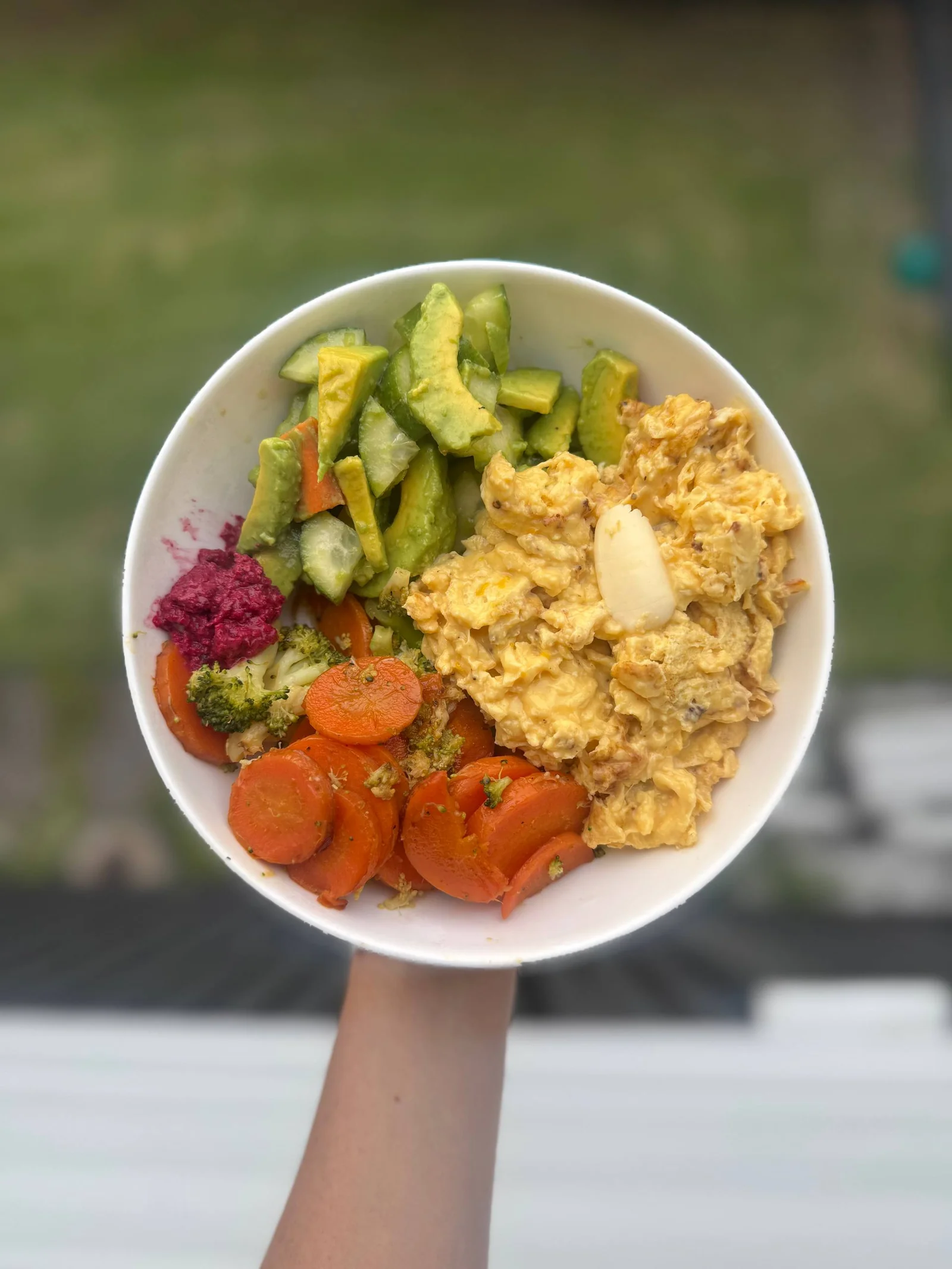
Why Good Health Starts With Better Food
We often think of health as something we need to add in. A new supplement. A new routine. A new plan. A new program.
Read →Clinical nutritionist vs GP, when to see each
A clinical nutritionist and a GP do different jobs. When each is the right starting point, and when you need both.
Read →Effective strategies to improve your sleep
Sleep onset, sleep maintenance and sleep quality are three different problems. The behavioural and biochemical levers for each.
Read →Female reproductive health. What to test and when
From preconception to perimenopause, what to map, when to map it, and how to interpret what comes back. The full picture.
Read →Finding a functional medicine practitioner in Brisbane
What to look for, what to ask, and what 'functional medicine' actually entails, and doesn't entail, in clinic.
Read →Insomnia causes. What's actually keeping you awake
Cortisol, blood sugar, alcohol, magnesium, perimenopause, and the bedroom environment. The order of operations for tracking down insomnia.
Read →Natural integrative medicine. How it complements conventional care
The best outcomes come from holding conventional and integrative medicine together, not choosing between them. How the two fit.
Read →PCOS beyond the diagnosis. A functional medicine perspective
PCOS is a description, not a diagnosis. There are four functional drivers and your treatment plan only works if it matches yours.
Read →Personalised treatment plans. Why one-size-fits-all doesn't work
The same diagnosis in two women is two different physiologies. How treatment plans get built when you actually map the system.
Read →The principles of functional medicine, and how it differs from conventional
Functional medicine isn't 'alternative'. It's systems medicine. The seven principles and what they look like in clinic.
Read →Top holistic solutions for better health
Foundations first: sleep, sunlight, food, movement, nervous system. What the heavy-lift interventions look like before you reach for supplements.
Read →What are xenobiotics. How environmental toxins harm your health
Xenobiotics (plastics, pesticides, solvents, mycotoxins) are everywhere. How the body detoxes them, what blocks the pathway, and what to test.
Read →Why a whole-food diet is crucial to your health
The case for whole foods isn't moral, it's biochemical. The compounds that exist in food and not in pills.
Read →